

Let's protect our past and power our future together.
Empowering ourselves through Learning, Elevating Navajo Futures with Data Sovereignty
In the digital age, our language, culture, and information are online. But who controls them?
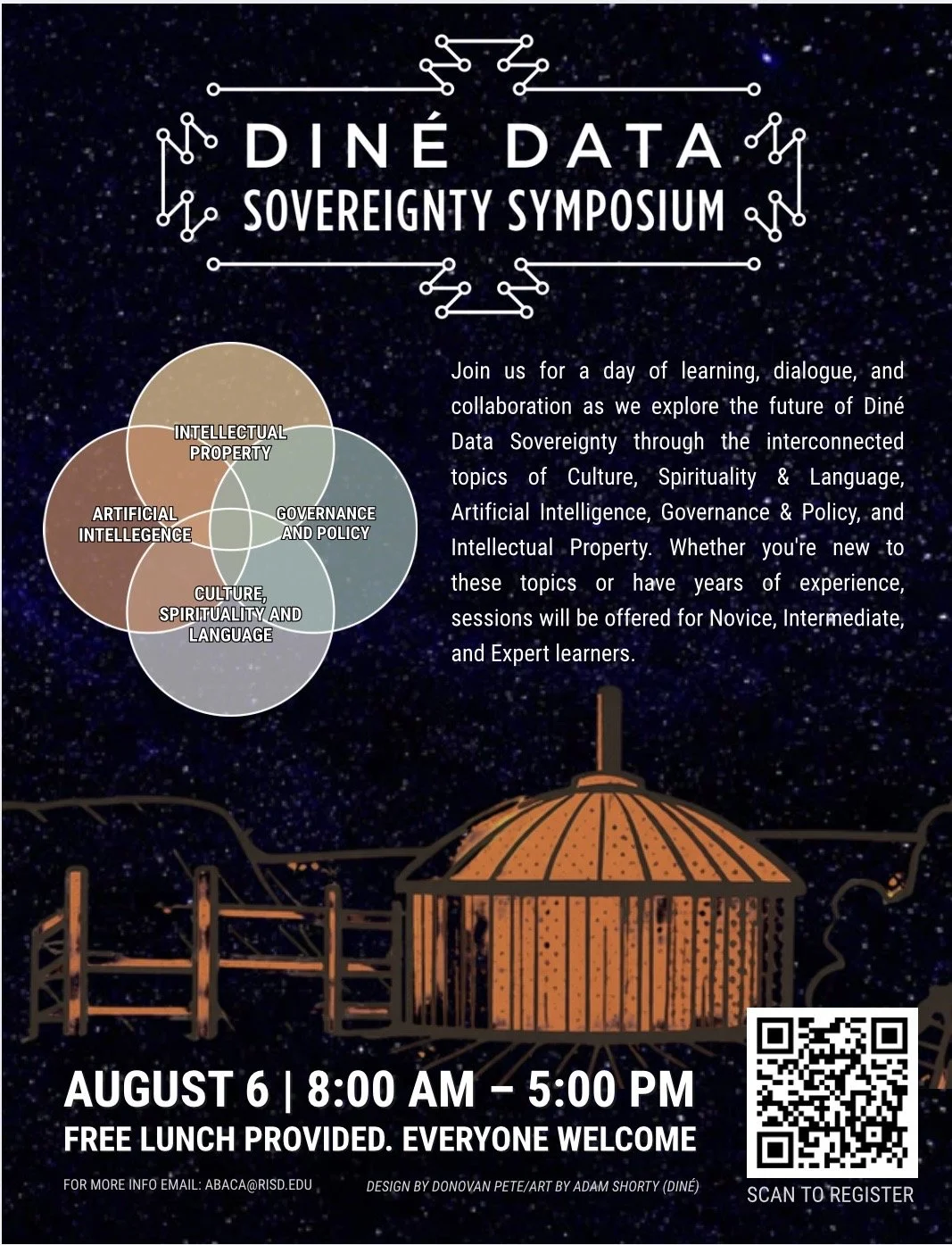
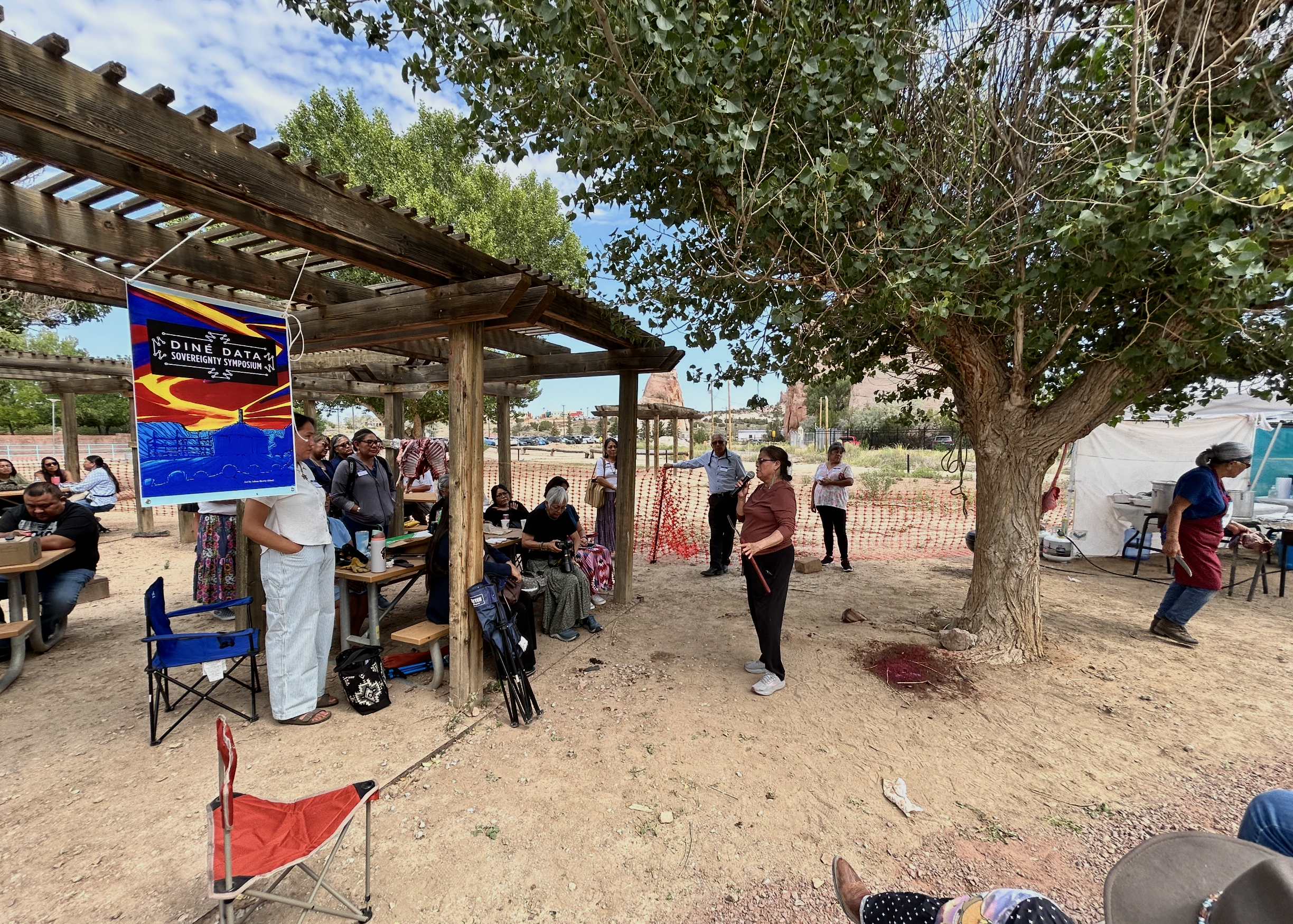
Join us at the Dine Data Sovereignty Symposium in Window Rock, Arizona! Whether you are a total beginner or a tech expert, this is your invitation to help shape the future of Dine data. We are diving deep into vital topics like Artificial Intelligence, Intellectual Property, Culture, and Governance.
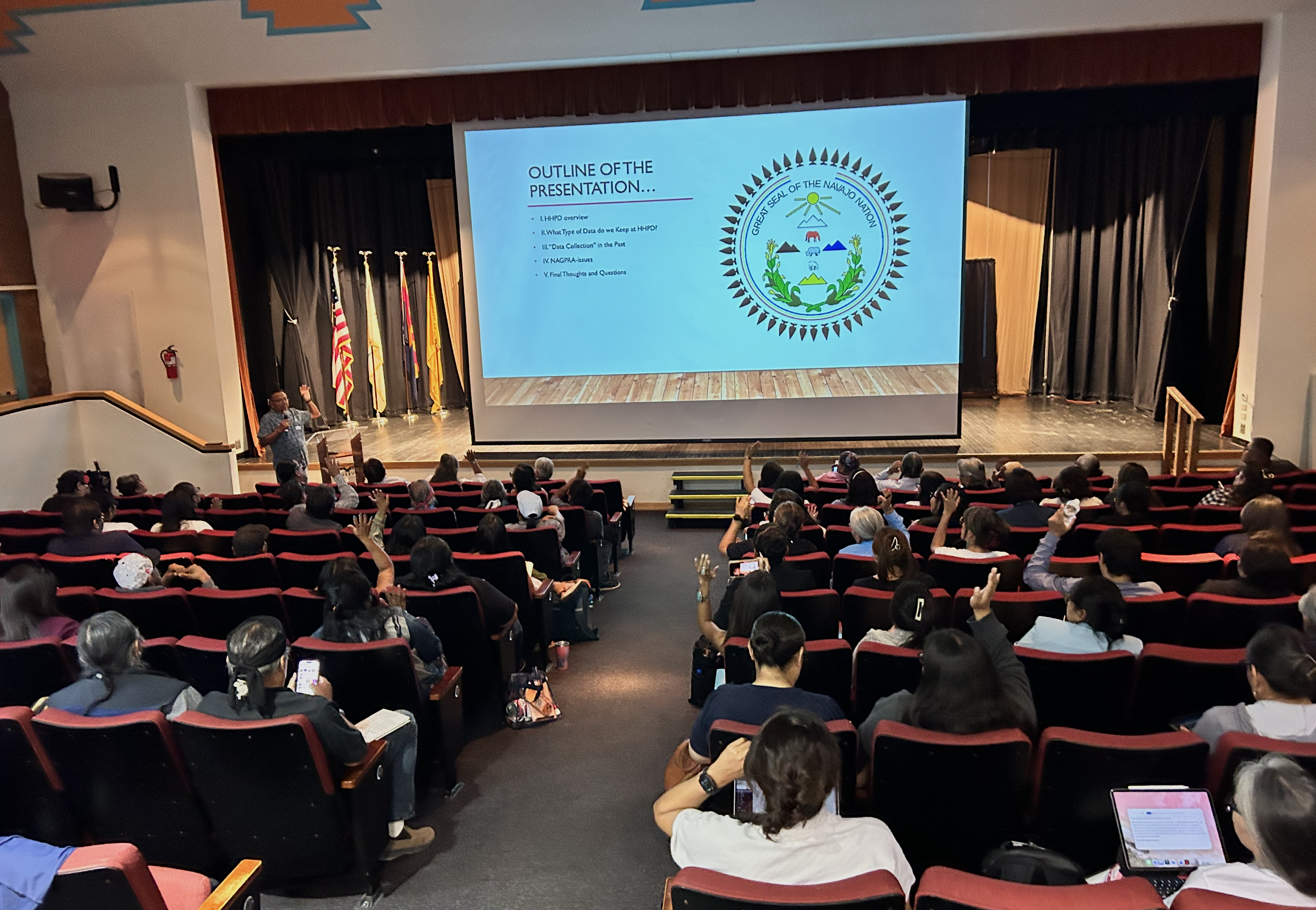
If you are a Navajo Nation citizen, tribal leader, educator, student, or community member, your voice is essential. Join us for an inspiring day of learning, dialogue, and collaboration at the Dine Data Sovereignty Symposium on Thursday, August 6th starting 8am in the Navajo Nation Museum and Library.
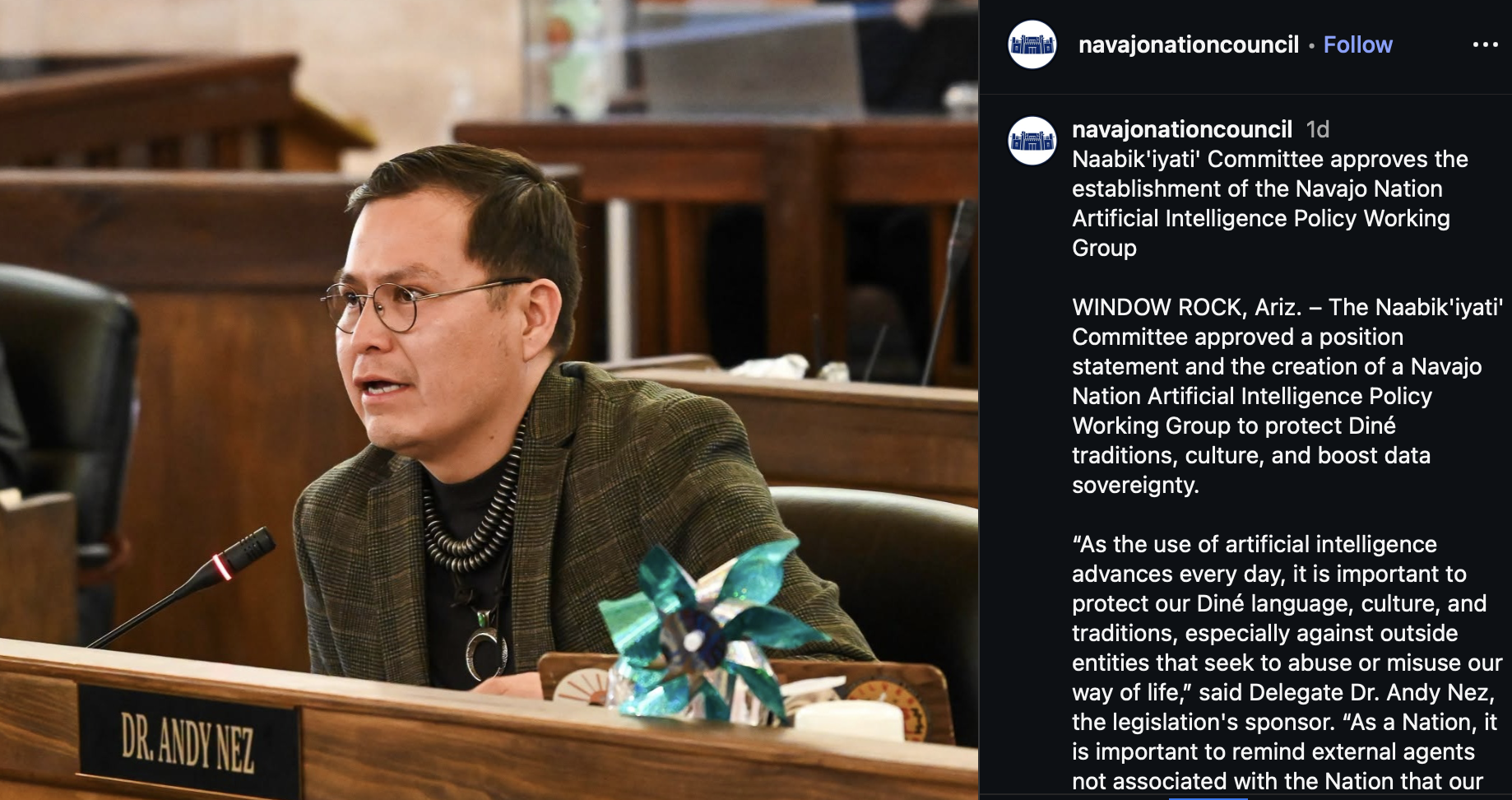
Big News: Navajo Nation Artificial Intelligence Legislation Passed August 13, 2026
Thanks to the Navajo Nation community, leadership, and traditional knowledge holders on their participation on engaging this legislation! Special Thanks goes to Dr. Andy Nez (Council Delegate) leading this effort at Navajo Nation Council.
Symposium Agenda: August 6, 2026
8:00 AM – Welcome, Prayer, & Opening Remarks
8:30 AM – Introduction to Data 101: Data Sovereignty, Terminology, and Intro to Basics
9:00 AM – Coffee Break @ Hogan: morning snack
9:15 AM - Presentation #1 Ida Yellowman (RN) - Location @ Hogan
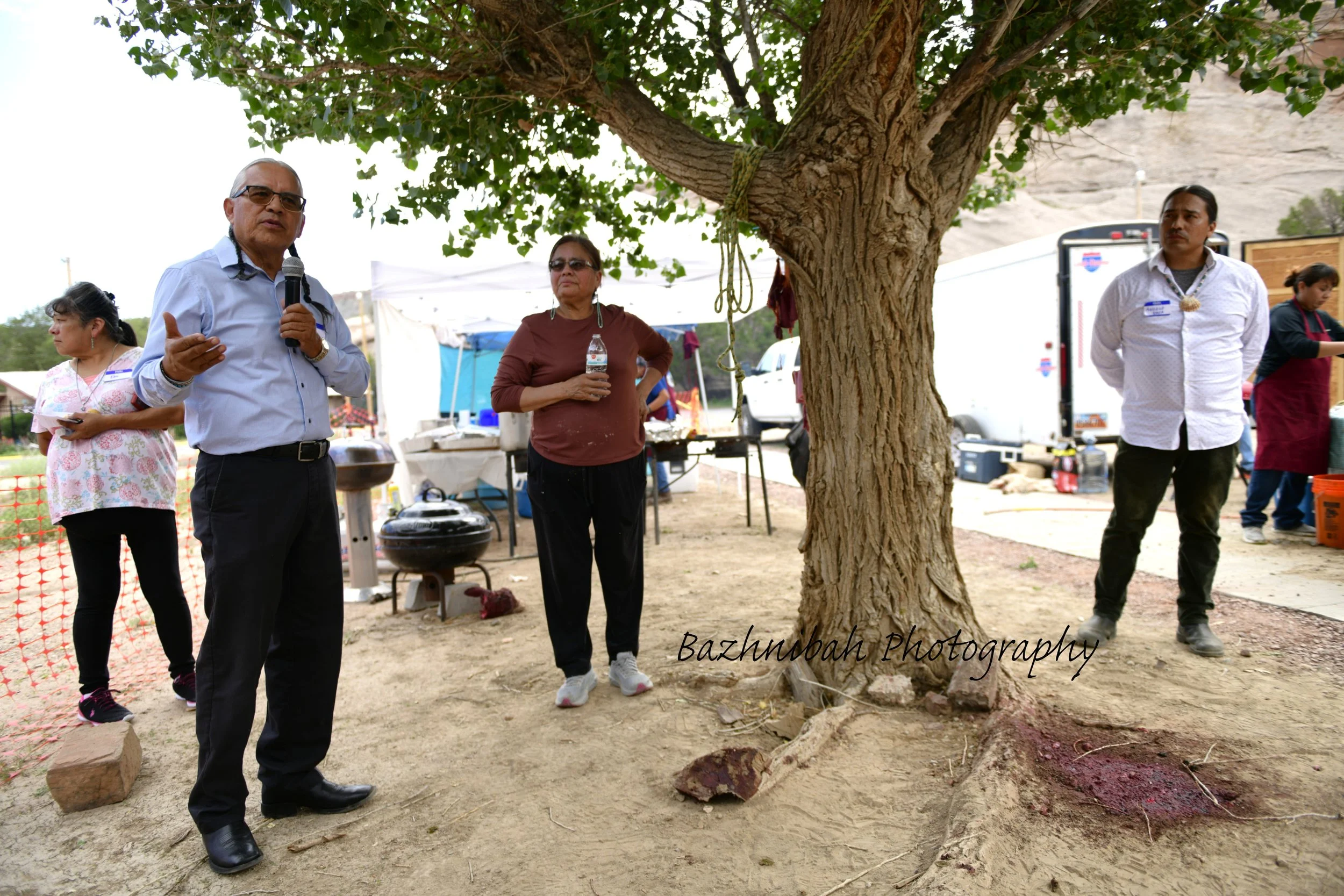
“Diné Sheep Butchering & Traditional Knowledge of Health, Medical, and Anatomy Teachings”
10:00 AM – Presentation #2: “Current Legal Landscape on Navajo Nation Data” + Q.A.
A. Trevor Reed (Professor of Law at UC- Irvine)d - “United States tribes and Intellectual Property”
B. Michelle Garcia (Principal Attorney for NNDOJ) – “Navajo Nation current activities on I.P.”
C. Andy Nez (Council Delegate) – “Developing current Navajo Nation A.I. legislation”
11:15 AM - Presentation #3: “Navajo Cultural & Historical Presentation & Protection” + Q.A.
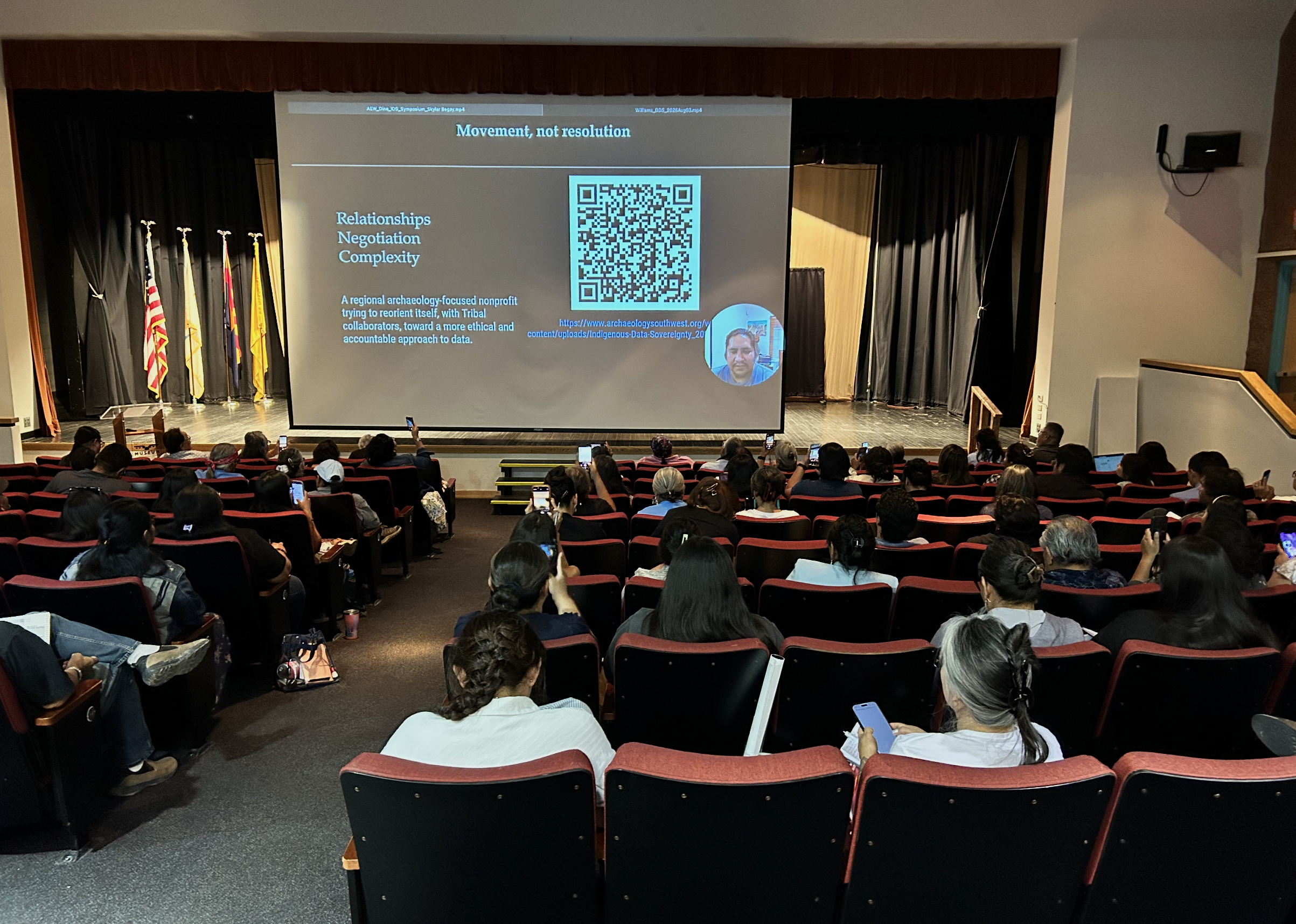
A. Skylar Begay (Archaeologist) – “Indigenous Data Sovereignty (IDSov) at Archaeology Southwest”
B. Katie Williams (Archaeology) – “Archeaology Lidar and GIS data impacting Navajo”
C. Richard Begay (NN Historic Preservation Office)– “Navajo Nation Tribal Historic Preservation Office and Data Impacts for Diné People”
12:30p-1:30p: Free lunch provided-Sandwiches and Sheep Butcher food for attendees (also catered sandwiches available from local Navajo business)
1:30 PM – Presentation #4: “Protecting Navajo Seeds and Plants” + Q.A.
A. Carl Slater (Council Delegate) – “Protecting Navajo Genetic IP”
B. Rene Begay - (MS, MPH, Geneticist, Public Health) “Human DNA and Genetics”
C. Jesse Mike (Program Coordinator) – “Diné Native Plants Program Team”
2:45 PM – Presentation #5: “Navajo Nation Technology Impacts Today and Tomorrow” + Q.A.
A. Brent Nelson (Navajo Nation Department of Information Technology) - “The flow of Navajo data on the Nation today’
B. Angelo Baca (Rhode Island School of Design) - “Artificial Intelligence and Navajo Philosophy Considerations”
3:30 PM - Presentation #6: “Culture, Language, Tradition, and Navajo Futures” + Q.A.
A. Shawn Attakai (Staff Attorney for Crownpoint Judicial District) - “Navajo culture and traditional knowledge”
B. Dante Yazzie (Navajo Youth Educator and Advocate)– “Traditional knowledge and Navajo youth”
C. Robert Yazzie – (N.N. Chief Justice Emeritus) “Navajo Data and Justice”
4:30 PM – Closing activity – Summary of the day’s data sharing – Concluding “Thanks” & Prayer
5:00 PM – Symposium Concludes (Navajo Nation Museum facility closes at this time)
*Schedule is tentative and subject to change slightly to accommodate speaker schedules
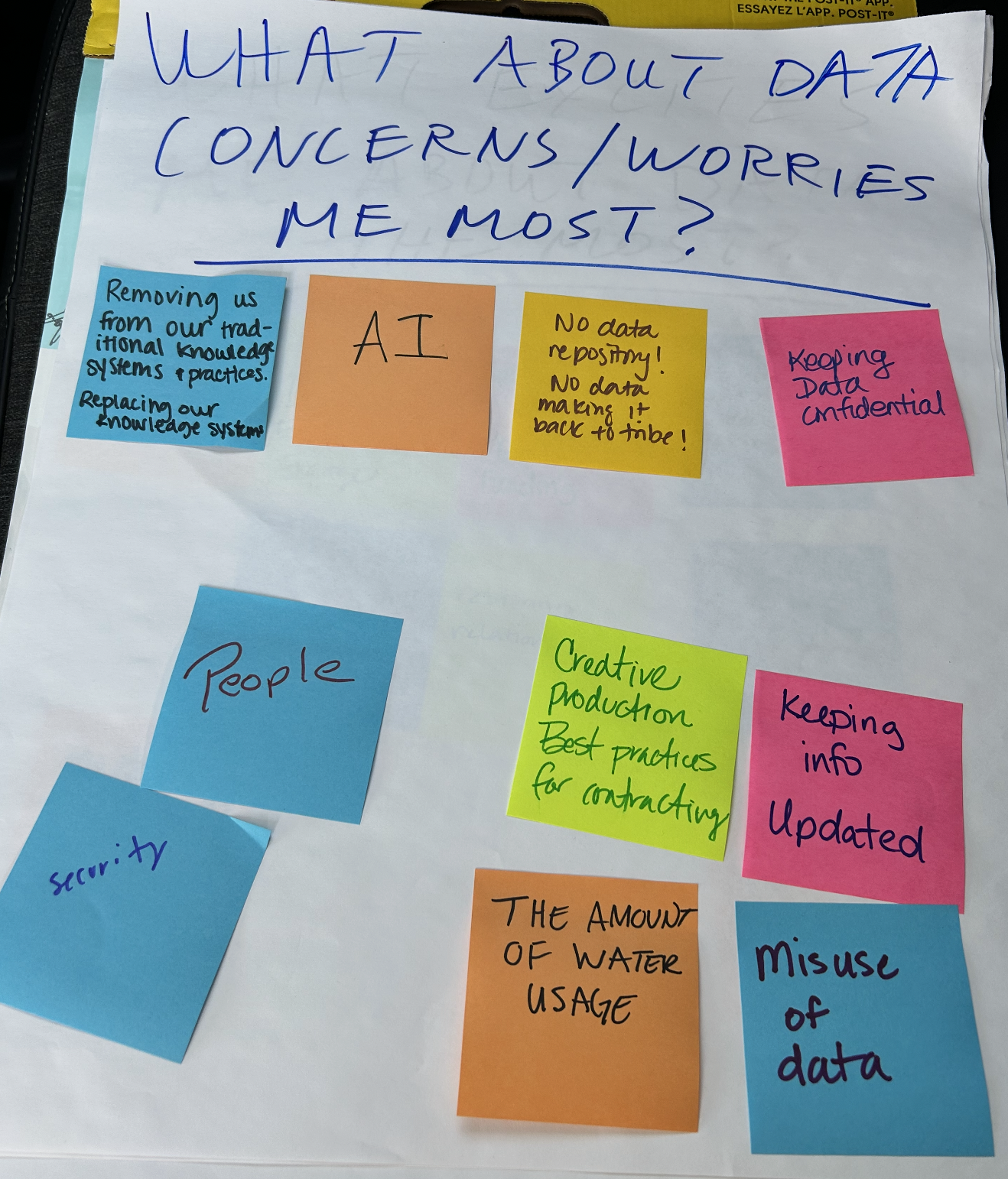
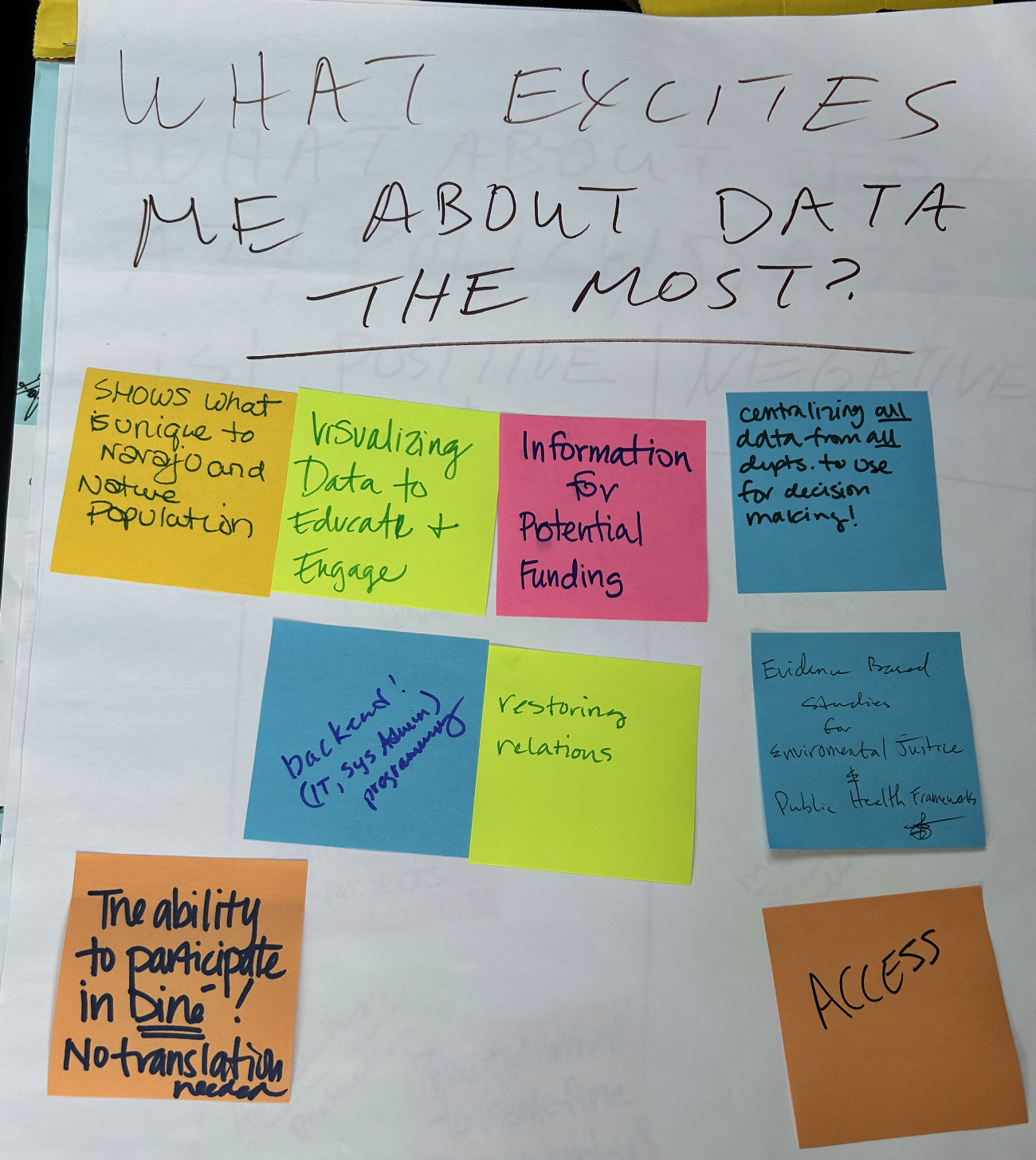
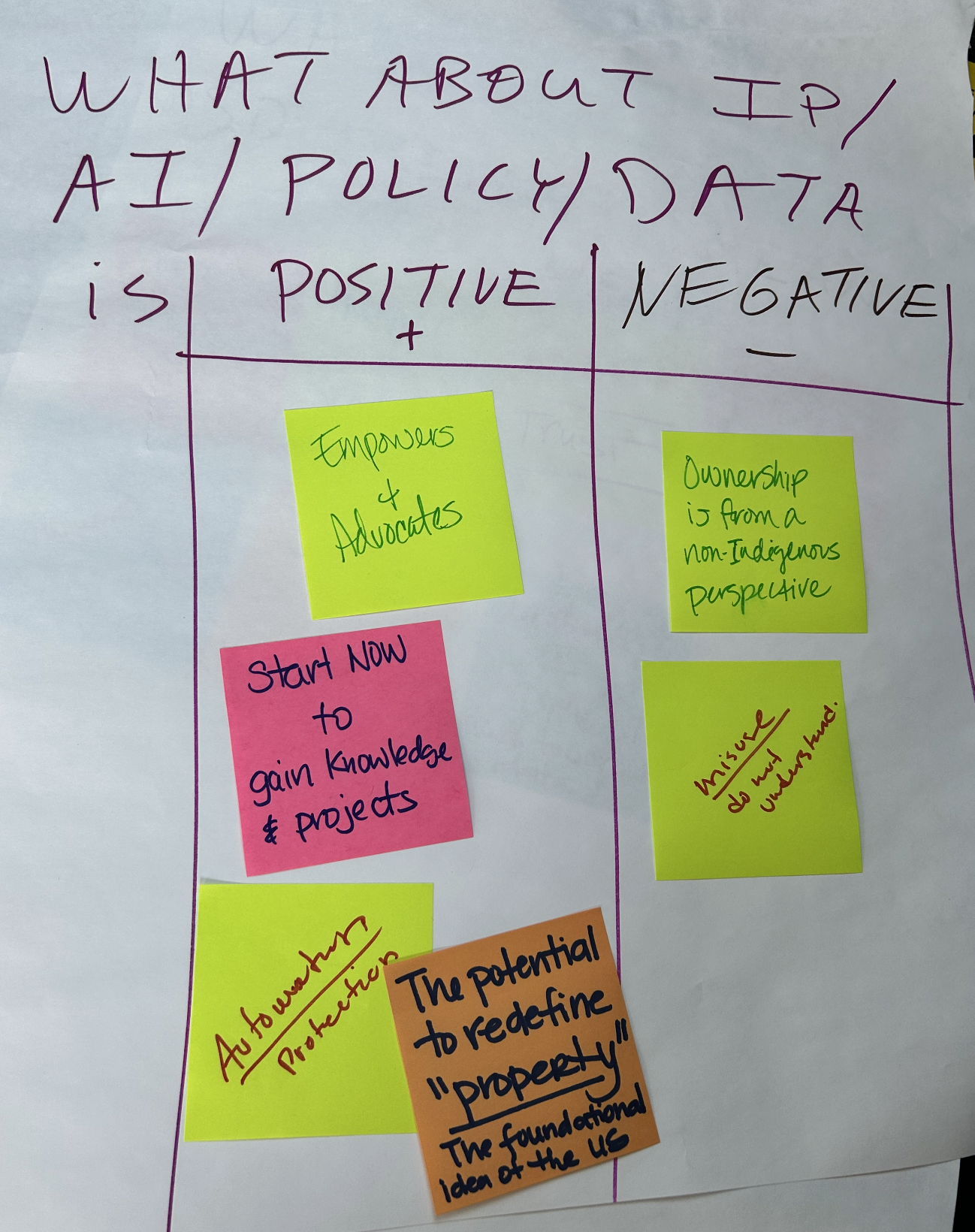
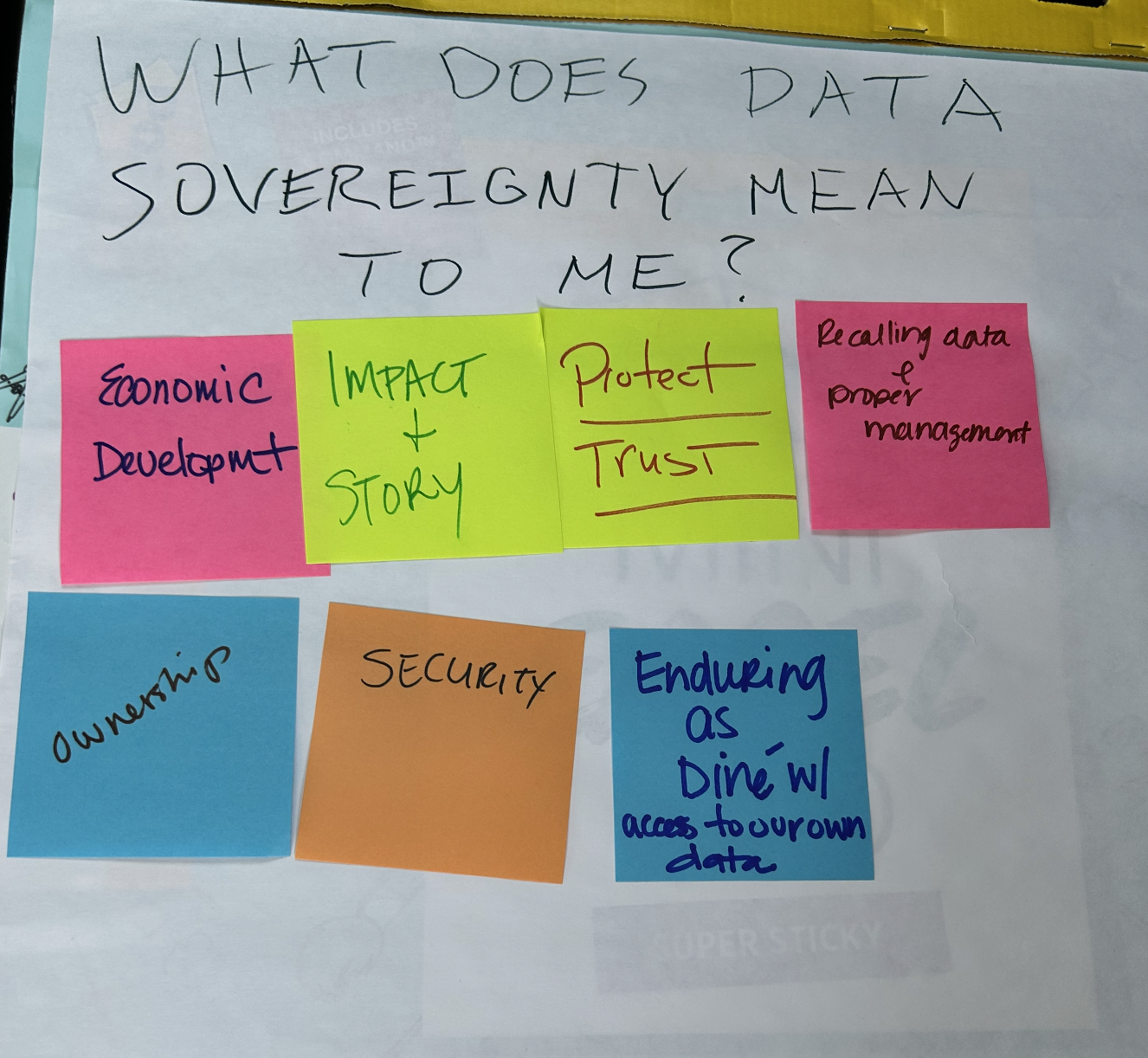
“Indigenous data sovereignty isn't new. What's new is the scale of demand for data-and the risk that decisions get made without tribes at the table."
-- Joseph Yracheta (Executive Director, Native BioData Consortium)
“This isn’t just about protecting data. It’s about creating technological independence, rebuilding relationships between people and their data, and ensuring the value generated flows back to the communities it comes from."
-- Keolu Fox (Hawaiian, Associate Professor, University of San Diego
Presenter Bios:
Dr. Trevor Reed is a Professor of Law at UC-Irvine whose research focuses on Tribal governance, Indigenous intellectual property, cultural heritage, and the protection of Indigenous knowledge. His work explores how federal Indian law and intellectual property law intersect to support Tribal sovereignty and self-determination.
Dr. Katie Williams is a postdoctoral geospatial archaeologist at Crow Canyon Archaeological Center specializing in LiDAR, GIS, and remote sensing technologies. Her research supports collaborative archaeological projects and explores how geospatial data can be used responsibly in partnership with Tribal Nations, including the Navajo Nation.
B. Michelle Garcia is a legal and policy professional with the Navajo Nation, where she leads efforts related to intellectual property, cultural heritage protection, and data governance. Her work supports the development of policies that safeguard Diné knowledge, cultural resources, and Tribal sovereignty.
Dr. Angelo Baca is an award-winning filmmaker, scholar, and advocate whose work focuses on Indigenous cultural heritage, land stewardship, and data sovereignty. He is internationally recognized for his leadership in protecting Bears Ears National Monument and advancing Indigenous rights through research, storytelling, and policy.
Skylar Begay is the Director of Tribal Collaboration at Archaeology Southwest, where he advances Indigenous Data Sovereignty and collaborates with Tribal Nations to support culturally grounded stewardship of Indigenous knowledge, landscapes, and archaeological data.
.
Jesse Mike is the Program Coordinator and Forester for the Diné Native Plants Program within the Navajo Nation Department of Fish and Wildlife. He works to preserve and restore native plant communities while strengthening traditional ecological knowledge and supporting culturally significant plant stewardship across the Navajo Nation.
Ida Yellowman is a Navajo RN Health Professional who is experienced teaching and nursing in various settings including Indian Health Services, Private, Non-Profit, and Military sectors across the western United States combining Navajo and Western health knowledge to train Native American nursing students in medicine, health, and anatomy.
Rene Begay is a Diné researcher and public health professional whose work focuses on Indigenous data, health equity, and community-centered research. As a researcher with the Centers for American Indian and Alaska Native Health, she works to ensure that Native communities have a voice in how data is collected, interpreted, and used to support Indigenous priorities and self-determination.
Robert Yazzie is Chief Justice Emeritus of the Navajo Nation and an internationally recognized expert on Diné peacemaking, Indigenous law, and restorative justice. A former Director of the Diné Policy Institute at Diné College, he has dedicated his career to advancing Navajo common law and traditional approaches to justice and governance.
Shawn Attakai is a Diné attorney, traditional practitioner, and educator whose work bridges Diné knowledge systems, Indigenous law, and contemporary governance. Fluent in the Diné language, he has dedicated his career to strengthening Diné Fundamental Law, preserving traditional knowledge, and advancing Indigenous approaches to justice and sovereignty.
Carl Slater is an attorney and former member of the Navajo Nation Council. He has played a leading role in advancing legislation related to economic development, broadband, energy, and technology, and is a recognized advocate for strengthening Tribal sovereignty through policy and governance.
Delegate Dr. Andy Nez serves on the 25th Navajo Nation Council and is helping lead the development of Navajo Nation legislation addressing artificial intelligence, technology, and governance. His work focuses on ensuring emerging technologies align with Diné values and Tribal sovereignty.
Richard Begay is the Director of the Navajo Nation Tribal Historic Preservation Office (THPO), where he oversees the protection of Diné cultural resources, sacred sites, and historic preservation efforts. His work addresses the intersection of cultural heritage, data management, and Tribal sovereignty.
Richard Begay is the Director of the Navajo Nation Tribal Historic Preservation Office (THPO), where he oversees the protection of Diné cultural resources, sacred sites, and historic preservation efforts. His work addresses the intersection of cultural heritage, data management, and Tribal sovereignty.
Dante Yazzie is a Diné educator and community leader dedicated to strengthening connections between Navajo youth, traditional knowledge, and cultural identity. His work focuses on creating opportunities for young people to learn from Diné teachings, language, and community traditions while supporting the next generation of leaders grounded in culture and self-determination.
Your Questions, Answered
How much to register for the one-day symposium?
The cost is free - we will not sell your data or give it away to tech companies but prioritize our information for Navajos, by Navajos. The in-person nature of our gathering emphasizes building community over profits, culture over commodity.
Why is Indigenous data sovereignty important?
Data influences decisions about education, research, governance, business, and policy for tribal nations and Indigenous communities around the world. In particular, the future will require the Navajo Nation to embrace and empower itself using its tribal sovereignty. We believe being informed, educated, and updated on recent developments to make the best decisions possible as Diné.
Why have this event at the Navajo Nation Museum?
We want to focus the many talented and dedicated people from all around the Navajo Nation to dit down with us and talk about data concerns, issues, challenges, and how to overcome them together. We want to speak with folks from your average Navajo citizen to the expert knowledge holder in their various areas.
Let’s Bring Our Vision To Life
Ready to keep building community and shaping the direction of Diné Data for a better future? Keep in touch!
Email: abaca@risd.edu
Additional Resources:
INDIGENOUS DATA SOVEREIGNTY AND GOVERNANCE NATIVE NATIONS INSTITUTE
INDIAN NATIONS AND AI USE ARIZONA ATTORNEY MAGAZINE